Let’s be real: Abu Dhabi roads are a battlefield. Between the blistering 50°C summer heat, the unpredictable sandstorms that feel like industrial-grade sandpaper, and the gravel flying off construction trucks on the E11, your car’s paint is under constant assault. You’ve likely heard of Surface Protection Film , but you’re wondering if it’s a genuine safeguard or just another expensive add-on.
The short answer? If you care about your car’s resale value and sanity, it’s a necessity.
Why the Abu Dhabi Climate Hates Your Car
Standard paint isn’t designed for the Middle East. The intense UV radiation doesn’t just make the cabin hot; it literally breaks down the chemical bonds in your clear coat, leading to oxidation and that dreaded “faded” look. Then there’s the physical damage. A single high-speed commute can leave your hood peppered with tiny stone chips.
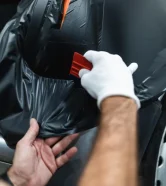
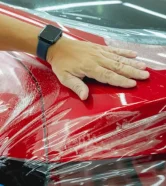
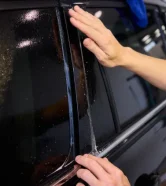
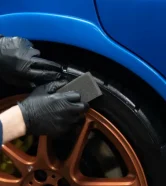
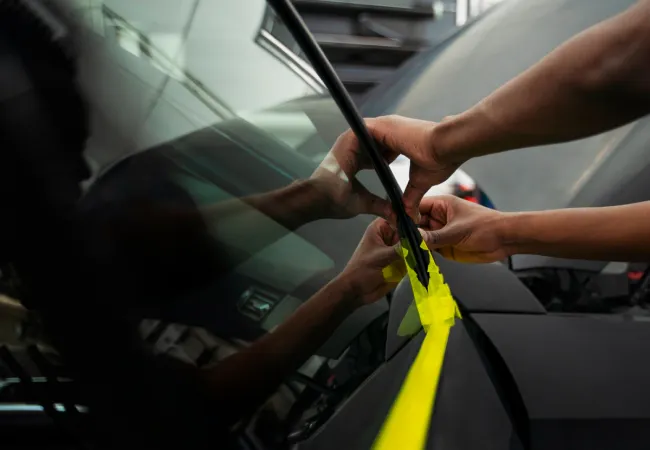
Surface protection film acts as a sacrificial layer. It’s a high-grade, transparent urethane membrane that takes the hits so your factory paint doesn’t have to. Think of it as an invisible suit of armor that happens to have “self-healing” powers.
The Cost-Benefit Breakdown: Dollars and Sense
Most owners hesitate because of the upfront price. In the UAE, quality installation ranges from AED 4,000 for high-impact zones to AED 20,000+ for a full-body wrap. But let’s look at the ROI:
- ➤Resale Value: A car with “Original Paint” is gold in the Abu Dhabi second-hand market. Surface protection film preserves that showroom finish, often fetching 10–15% more during a sale.
- ➤Maintenance: You’ll spend less on polishing and detailing. These films are hydrophobic, meaning sand and grime wash off with minimal effort.
- ➤Self-Healing: Caught a swirl mark from a dusty car wash? Park it in the sun. The heat from the Abu Dhabi sky triggers the film to “flow” and close up minor scratches.
Is it Better than Ceramic Coating?
Ceramic coating is great for shine and chemical resistance, but it won’t stop a rock. If you want physical protection against chips and scratches, surface protection film is the only real solution. For the ultimate setup, many of our clients apply to the front “impact zones” and ceramic coat the rest.
Final Thoughts on Surface Protection Film
Is it worth it? If you’re driving a leased car you need to return in perfect condition, or a luxury vehicle you plan to keep, then yes—the math works out. You’re not just buying a film; you’re buying a hedge against the UAE’s harsh environment.
Are you ready to stop worrying about every gravel truck on the road?
Absolutely. Most buyers in the secondary market look for “original paint”. If you’ve had a wrap on your car for three years, you’ve protected that original paint from stone chips and sandblast effects common on the E11. When it’s time to trade in, you reveal a flawless exterior, often fetching a higher price point than a car with “road-rash” on the bumper.
FAQ
Back in the day, yeah. But modern films used at Exclusive Car Care are UV-stable. They won’t turn your white car into a “vintage cream” color. Just make sure you get a film with a solid 5-to-10-year warranty.
Mostly, yes. Just stay away from high-pressure nozzles right up against the edges of the film. You don’t want to accidentally “lift” the shield. Use a soft microfiber mitt and you’re golden.
Nope. As long as the film was applied over original factory paint and removed by a pro using a bit of heat, it peels right off. It actually leaves the paint underneath looking brand new.
Not necessarily. If you’re on a budget, hit the “high-impact” areas: front bumper, hood, side mirrors, and fenders. That’s where 90% of the damage happens anyway.